


Foam Board vs. Fiberglass: Which Should You Learn On?
Spoiler: your shins will thank you.
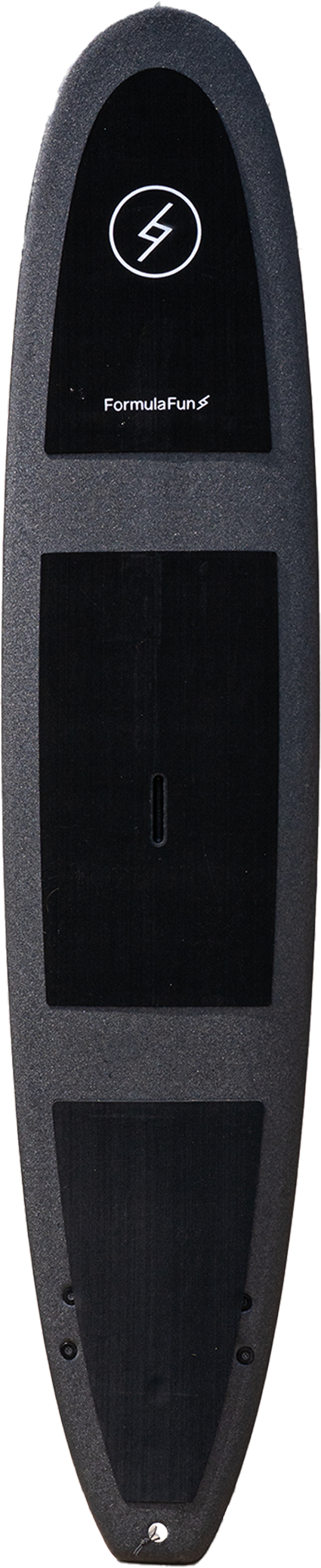
If you’re choosing your first surfboard, you’ll hear two loud opinions: “Get a fiberglass board so you learn ‘the right way’” and “Get a foamie or you’ll get destroyed.” Here’s the real beginner-friendly take: learn on the board that gets you the most safe reps. Fiberglass (and epoxy) boards can feel fast and responsive. Once you have solid paddling and pop-up timing, they’re super fun. But they also ding easily, cost more to repair, and—most importantly—hurt more when you collide with them. Beginners collide with boards. A lot. Foam boards (soft-tops) are the training wheels that don’t feel like training wheels anymore. Modern foamies have real shapes, decent rails, and fin setups that let you progress beyond just straight rides. The biggest beginner wins: • Safety: softer rails and surfaces mean fewer bruises and less fear. • Stability: higher volume helps you catch waves earlier. • Durability: they can take beatdowns from sand, sun, kids, and parking lots. So which should you pick? If you’re brand new or surfing crowded beginner spots, foam is usually the totally rad move. It keeps you safer, makes wave-catching easier, and removes the “I’m scared to fall” problem. If you’re already catching green waves consistently, turning, and you want more performance, fiberglass/epoxy can be an awesome next step. Three practical tips before you decide: 1) Choose progression over pride. A board that helps you catch waves is the board that makes you better. 2) Think about your break. Shallow reefs and rocks are rough on hard boards (and bodies). 3) Budget for reality. If you go fiberglass, plan for dings, repairs, and extra care. We love foam boards for beginners because they keep surfing fun. And fun is the secret sauce—when you’re stoked, you go more. When you go more, you improve. That’s the whole game.


